
Amplifying Research episodes [[bpstrwcotob]]
Popular topics:
- Public engagement
- Career development
- Knowledge mobilisation
- Stakeholder/audience mapping
- Storytelling
- Team alignment
- Strategic comms
- Community engagement
- Leadership
- Collaborating with professional staff
- Talks and presentations
- Making your work relatable
- Co-design
- Communicating in different formats/mediums
- Interdisciplinary collaboration
- Strategy
- Impact planning
- Behaviour change
- Your pitch
- Networking
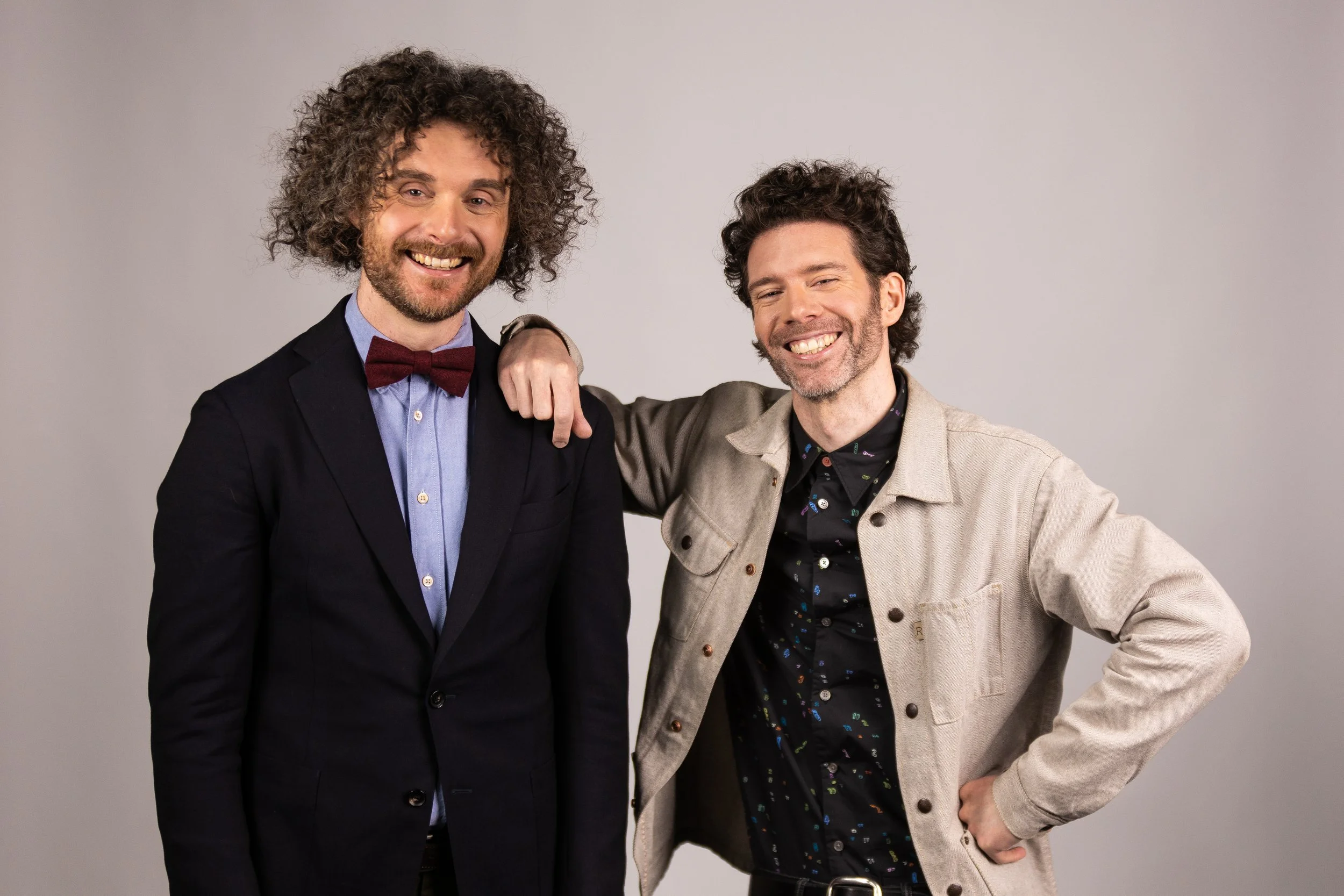
47. LinkedIn for Impact: Prof Phillip Dawson on making the platform work for you (even if you hate social media)
You probably already know that being on LinkedIn is a good idea for your work, your research, and your career. But how do you make sure it's actually making a positive difference, rather than just becoming "doom scrolling at work"? Returning guest Prof Phillip Dawson joins us to walk through a seven-step framework for making LinkedIn manageable, effective, and maybe even (dare we say it) not terrible. From setting goals and capturing ideas, through writing posts and showing up in conversations, to reflecting on what's actually working, we cover the full process for turning LinkedIn from hellscape to... well, if not heaven, then at least something you can actually live with 😅

45. From Problems to Possibilities: Dickon Bonvik-Stone on value-based communication and how it helped reframe the degrowth conversation
There's so much research that could genuinely make the world better — healthier communities, smarter policy, a more sustainable planet. And yet, when it comes to getting people to actually listen and act on that research, we often default to explaining harder or criticising current practices. Neither of which tend to work. Dickon Bonvik-Stone joins us to share how the NØKO team found success taking a radically different approach, and how we can use the AIM framework to bring hope to our own research communications.

38. Amplification Partners: Prof Megan Munsie on leveraging established networks and voices to multiply your impact
Instead of spending years building your own audience from scratch, what if you could partner with organisations and voices that already have your target community's trust and attention? Professor Megan Munsie has spent two decades mastering this approach — what she calls "amplification strategy" — to reach patients, policymakers, and the public with critical stem cell research insights.

35. Strategic Science Communication: Prof John C. Besley on designing communication that actually changes behaviour
Passionate about sharing your research and want to ensure your comms efforts deliver meaningful results? Professor John C. Besley shares insights from his book Strategic Science Communication, and the SCREE framework, to help you move beyond hoping for impact to designing for it. In this conversation, he reveals why many research communication efforts fall short – not because researchers aren't trying, but because they haven't been asked the fundamental question: what specific behaviour do you want to change? John and I discuss how to identify clear goals, understand the beliefs that drive behaviours, and align your communication activities accordingly. Whether you’re the director of research org, working in comms/operations, or an individual researcher, John shares practical tips that can help you start improving the outcomes of your comms and engagement today.
Popular topics:
- Public engagement
- Career development
- Knowledge mobilisation
- Stakeholder/audience mapping
- Storytelling
- Team alignment
- Strategic comms
- Community engagement
- Leadership
- Collaborating with professional staff
- Talks and presentations
- Making your work relatable
- Co-design
- Communicating in different formats/mediums
- Interdisciplinary collaboration
- Strategy
- Impact planning
- Behaviour change
- Your pitch
- Networking