
Incredible research happens every day that never reaches the people who need it most.
This podcast is about changing that by focusing on how you can build the reach, reputation, and relationships needed to match your impact and funding goals.
Each month, I sit down with experts in impact, knowledge mobilisation, science communication, and beyond to unpack practical approaches you can actually use.
You'll hear from researchers who've cracked the code on reaching the right people, professional staff who make impact happen behind the scenes, and some folks you might not expect — like screenwriters, comedians, and brand strategists who've found their way into the research world.
“Should be required listening for all researchers who think about real world impact.” — Dr Meredith Layton, UoM
“A must-listen for academics looking to deepen their understanding of how to communicate research effectively.” — A/Prof Kelly-Ann Allen, Monash
“Truly inspiring… One of the best podcasts I have ever heard!” — Dr Anahita Sal Moslehian, Deakin University
“Very knowledgeable guests — and host! A must listen for researchers looking to increase the impact of their work.” — A/Prof Melissa Forbes, UniSQ
"As a result of listening to Amplifying Research, I've changed my approach to be more narrative-driven and audience-focused. Engagement has increased and I'm now better able to get my message to those who can benefit." — Sue Sharp, ANU
Latest episodes
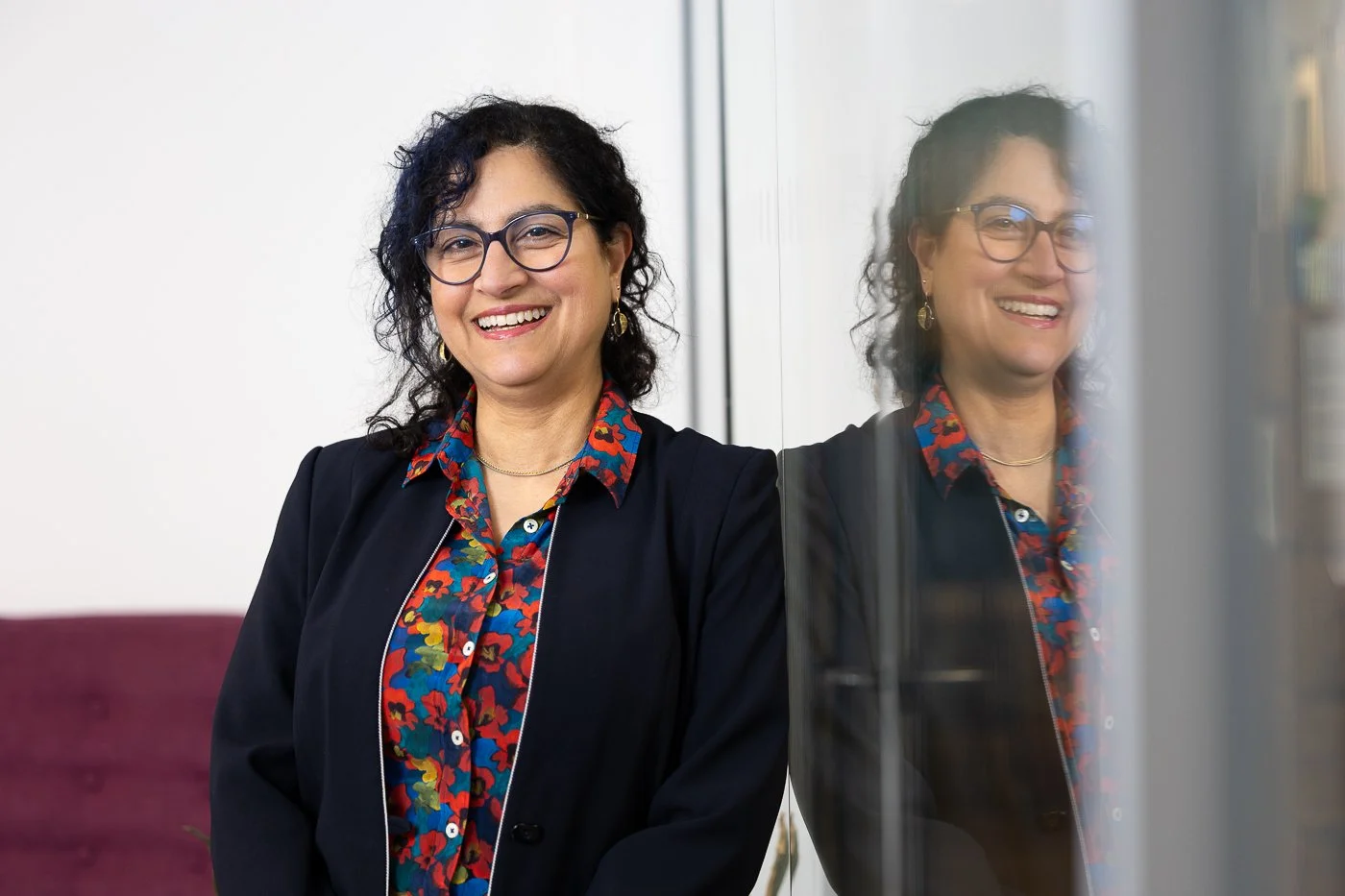
Generative AI has quickly become part of how many researchers work. But in most teams, the conversation about how it's being used, which tools are trusted, and who's checking the outputs simply hasn't happened yet. Dr Sawsan Khuri argues that transparency is key if we want AI to strengthen, rather than fracture, our research collaborations. She talks us through practical tips for bringing AI into your team's work openly.

Every collaboration starts with excitement — shared interests, complementary expertise, a vision of what you could build together. But things rarely stay perfect forever. Personalities might clash. Contributions might not get recognised. Commitments might not be kept. Decisions on authorship might be delayed — or even reneged on. Howard Gadlin spent decades as an ombudsman at the NIH, UCLA, and Harvard, sitting across the table from research teams in exactly these moments — and what he learned is that the disputes we're most tempted to avoid are often the ones that matter most.
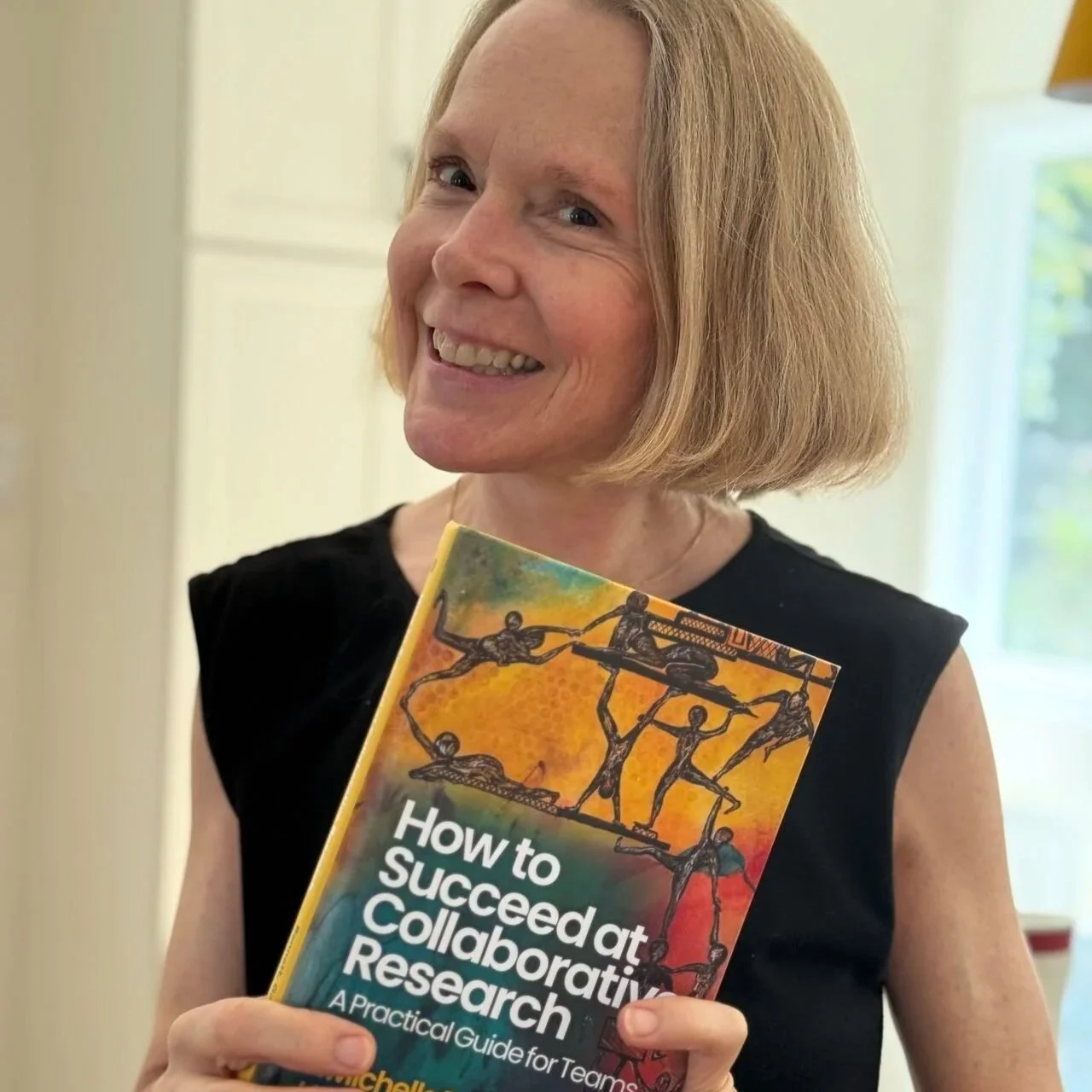
Most research teams believe they collaborate well — until the first real disagreement, the first authorship dispute, or the first time someone bites their tongue instead of speaking up. Researchers are rigorously trained in methodology but given almost no preparation for the relational skills that hold a collaboration together — and when tension rises, most default to a self-protective mode that quietly erodes trust, psychological safety, and ultimately the science itself. In this episode, Dr L. Michelle Bennett unpacks what a genuinely collaborative mindset looks like in practice, and how something as concrete as a collaboration agreement can give your team the structure it needs to do its best work.
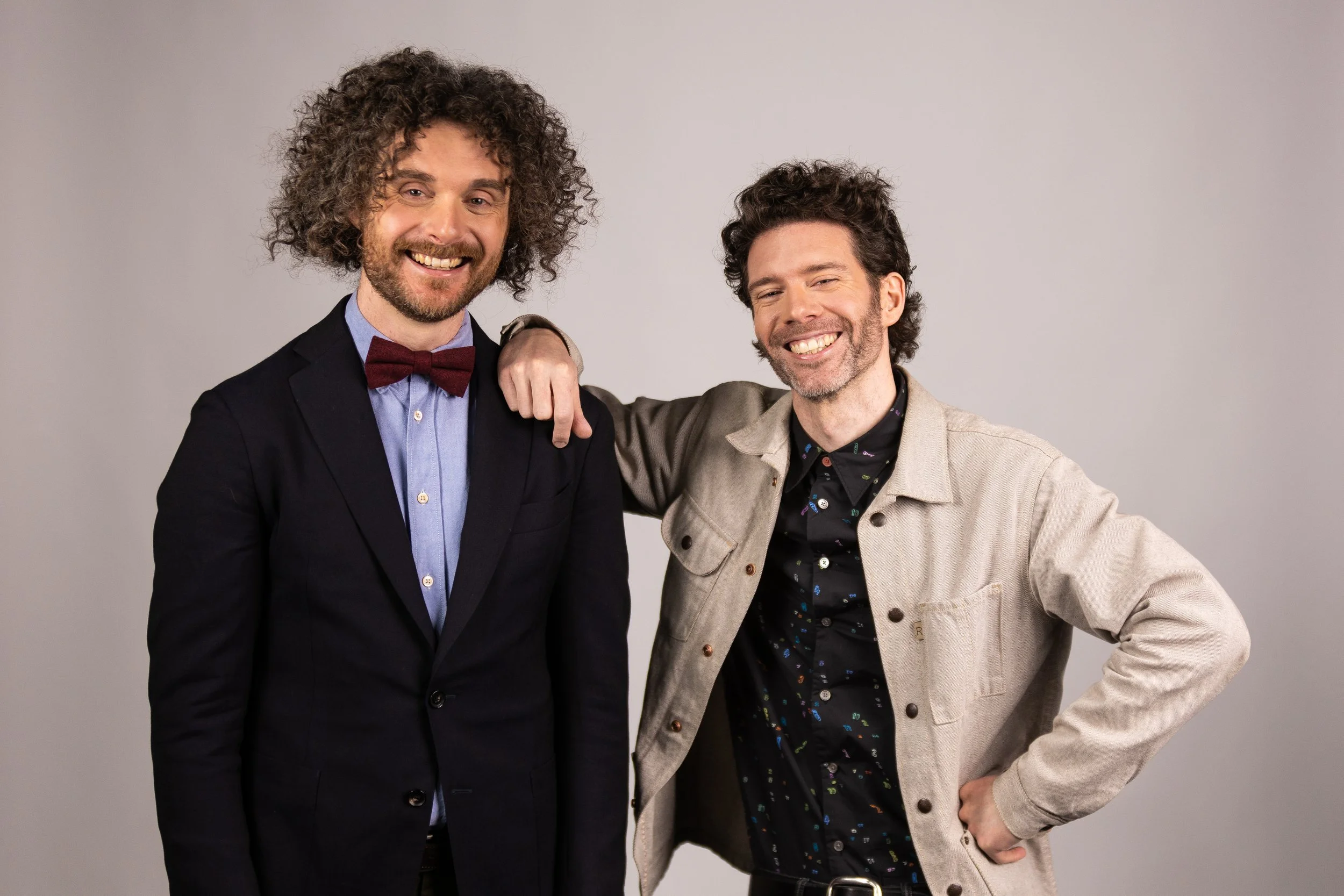
You probably already know that being on LinkedIn is a good idea for your work, your research, and your career. But how do you make sure it's actually making a positive difference, rather than just becoming "doom scrolling at work"? Returning guest Prof Phillip Dawson joins us to walk through a seven-step framework for making LinkedIn manageable, effective, and maybe even (dare we say it) not terrible. From setting goals and capturing ideas, through writing posts and showing up in conversations, to reflecting on what's actually working, we cover the full process for turning LinkedIn from hellscape to... well, if not heaven, then at least something you can actually live with 😅
Featured episodes

Wish more people knew about your team’s amazing research, but worried you don’t have natural charisma or the “gift of the gab”? Never fear! Sci comms expert Dr Michael Wheeler argues that powerful communication comes down to two fundamentals: the quality of your ideas and the order in which you present them. In this episode, Michael introduces the hourglass method — a simple framework for structuring any research communication, from conference talks to grant applications to casual conversations at the pub.

Imagine discovering a breakthrough that could transform lives, only to watch it sit unused for nearly two decades. Sadly, this is the stark reality that faces researchers in many fields today — for example, $200+ billion is spent annually on healthcare research, but 85% of it never results in changes to practice, and the interventions that do make it to practice often take between 15 and 17 years to do so! Dr Robyn Mildon, CEO of the Centre for Evidence and Implementation, has dedicated her career to collapsing this devastating timeline through the systematic study of what gets in the way — and what helps — when moving research from lab to field.

Instead of spending years building your own audience from scratch, what if you could partner with organisations and voices that already have your target community's trust and attention? Professor Megan Munsie has spent two decades mastering this approach — what she calls "amplification strategy" — to reach patients, policymakers, and the public with critical stem cell research insights.

Imagine having an exceptional talk in your back pocket that you can confidently deliver anywhere, anytime... A talk that consistently wows audiences and builds your reputation as a go-to expert in your field... A talk that might even turn into a book one day. Prof Phillip Dawson shares how developing repeatable talks can transform speaking from a last-minute scramble into a sustainable career-building practice.

How can we move beyond hoping for impact to systematically creating it? What tools can we use to plan for the impact we want to see in the world, evaluate whether it's happening, and tell compelling stories about the change we're contributing to? Dr Sarah Morton takes us through the Matter of Focus framework and software designed to do just that.

Passionate about sharing your research and want to ensure your comms efforts deliver meaningful results? Professor John C. Besley shares insights from his book Strategic Science Communication, and the SCREE framework, to help you move beyond hoping for impact to designing for it. In this conversation, he reveals why many research communication efforts fall short – not because researchers aren't trying, but because they haven't been asked the fundamental question: what specific behaviour do you want to change? John and I discuss how to identify clear goals, understand the beliefs that drive behaviours, and align your communication activities accordingly. Whether you’re the director of research org, working in comms/operations, or an individual researcher, John shares practical tips that can help you start improving the outcomes of your comms and engagement today.

How is generative AI transforming the way research is communicated and understood by different audiences? Prof Mike S. Schäfer gives us a state of the union on the rapidly evolving world of AI and science communication.

Not sure where to start with social media? Dr. Julius Wesche gives us a masterclass on how to build a powerful online presence and boost your research impact while doing it.

Let's take a deep dive into the art of condensing complex research into presentations that are both concise and compelling. Dr. Agnes Mukurumbira — winner of the 2023 Three Minute Thesis (3MT) Asia-Pacific Final and People's Choice — shares her journey to success and breaks down her winning presentation.

Today’s episode is a deep dive with Associate Professor Nicholas Van Dam on how he raised $10M in philanthropic funding for the University of Melbourne's Contemplative Studies Centre.

Today's episode is a deep dive with Professor Bianca Brijnath, the director of social gerontology at the National Aging Research Institute.
Our conversation explores the critical importance of engaging with culturally and linguistically diverse (CALD) audiences in research dissemination. Bianca also shares insights on the benefits of using different mediums and the significance of co-designing with your audiences to achieve meaningful and impactful communication.

Today's episode is a deep dive with Dr Yee Lian Chew. If you google her, you're likely to come across left-of-field descriptions like Worm Wrangler, Worm Nerd, and Worm Lady — because she's the head of the Chew Worm Lab at the Flinders Health and Medical Research Institute.
Today, we're going to be exploring Yee Lian's experience as an EMCR who's passionate about building communication skills, both in terms of comms and engagement efforts with the public as well as in terms of becoming a leader in research.
Popular topics:
- Public engagement
- Career development
- Knowledge mobilisation
- Team alignment
- Stakeholder/audience mapping
- Storytelling
- Leadership
- Strategic comms
- Community engagement
- Collaborating with professional staff
- Talks and presentations
- Making your work relatable
- Co-design
- Communicating in different formats/mediums
- Interdisciplinary collaboration
- Strategy
- Impact planning
- Behaviour change
- Your pitch
- Networking