49: Collaborative Research – Managing Conflict: Howard Gadlin on what decades of mediating scientific disputes taught him about productive conflict
Subscribe to the Amplifying Research podcast:
Apple Podcasts | Spotify | Overcast | Pocketcasts
Episode show notes
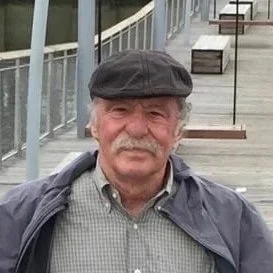
Every collaboration starts with excitement — shared interests, complementary expertise, a vision of what you could build together. But things rarely stay perfect forever. Personalities might clash. Contributions might not get recognised. Commitments might not be kept. Decisions on authorship might be delayed — or even reneged on. Howard Gadlin spent decades as an ombudsman at the NIH, UCLA, and Harvard, sitting across the table from research teams in exactly these moments — and what he learned is that the disputes we're most tempted to avoid are often the ones that matter most.
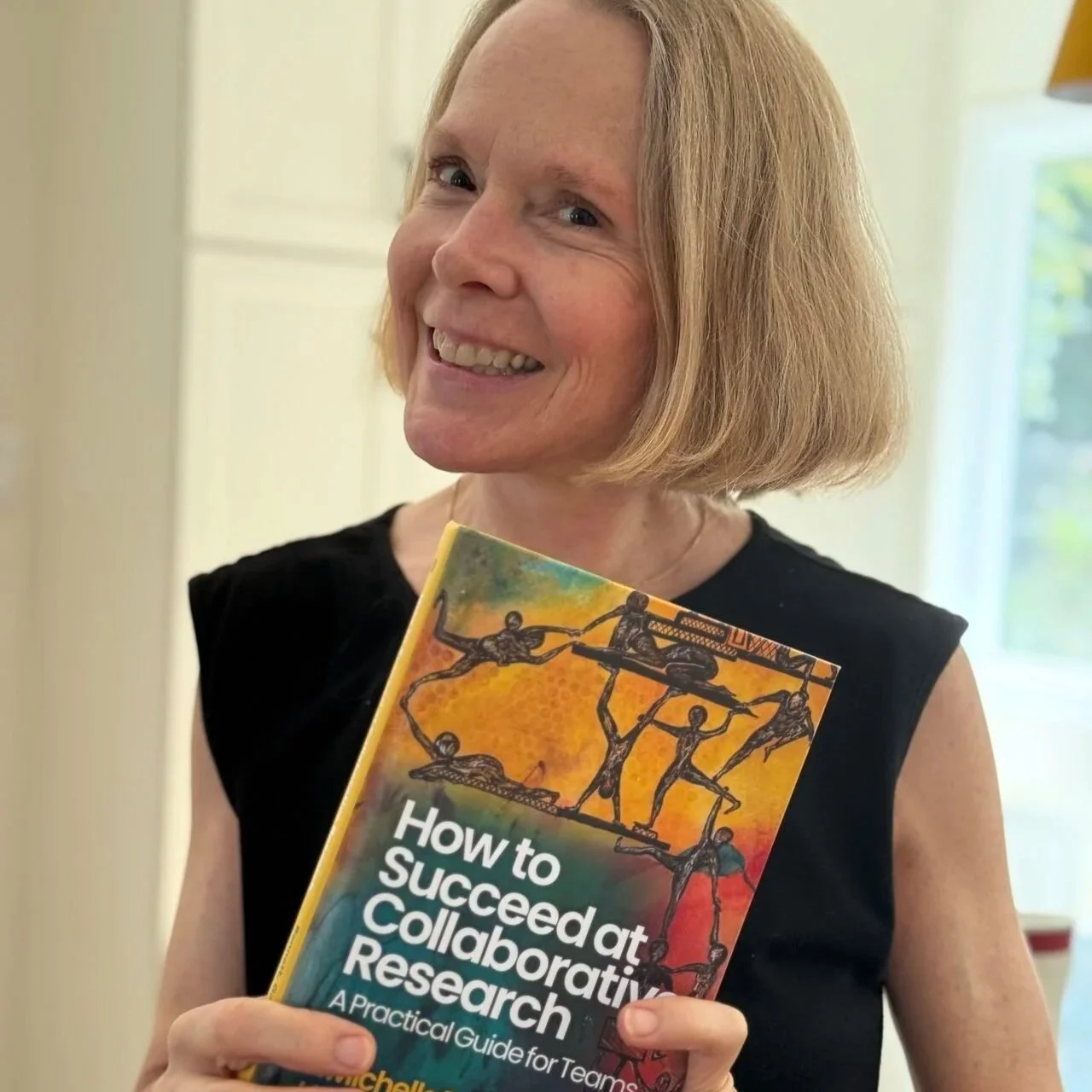
This is the second episode in our three-part miniseries based on the book How to Succeed at Collaborative Research, co-authored by Howard, Dr L. Michelle Bennett.
Howard started his career as a psychology professor at the University of Massachusetts, where a two-year stint as the faculty ombudsman turned into a decade. He gave up tenure to take the role full-time at UCLA, where he specialised in identity-based disputes, before moving to the NIH — where he spent years mediating scientific conflicts and began to see the patterns that would shape his prevention-focused approach to collaboration. Along the way, he co-authored the NIH's Collaboration and Team Science Field Guide with Michelle.
"The only people more foolish than people falling in love are people starting a collaboration. They think just the passion of this shared interest is going to carry them through. It doesn't work that way." — Howard Gadlin
Whether you're a research leader trying to understand why the same interpersonal tensions keep surfacing in your teams, an operations lead looking for practical frameworks to bring to team facilitation, or a junior researcher wondering whether it's safe to speak up about a conflict — this episode offers both the reassurance that these disputes are normal and the tools to handle them well.
Our conversation covers:
Why the most common scientific disputes — authorship, mentor-mentee dynamics, team dysfunction — keep recurring across teams
Howard's journey from psychology professor to career ombudsman — and why he gave up tenure to do this work
A detailed case study: mediating between a junior scientist and three senior researchers at the NIH
Positions vs underlying interests — why "I want first authorship" is never the whole story
The five emotional dimensions of disputes: affiliation, appreciation, outcomes, role, and status
Why recurring conflicts are usually systemic, not personal — and what that means for leaders
Shared leadership: why the intellectual leader and the socio-emotional leader don't have to be the same person
"Hyperactive listening" — why asking questions matters more than offering solutions
What an ombuds office actually does — and why it's completely confidential
How entire disciplines (like neuroscience) emerged from productive conflict
Find Howard online:
Find Michelle online:
LinkedIn — https://www.linkedin.com/in/l-michelle-bennett-50855a10
LMBennett Consulting — https://www.lmbennettconsulting.com
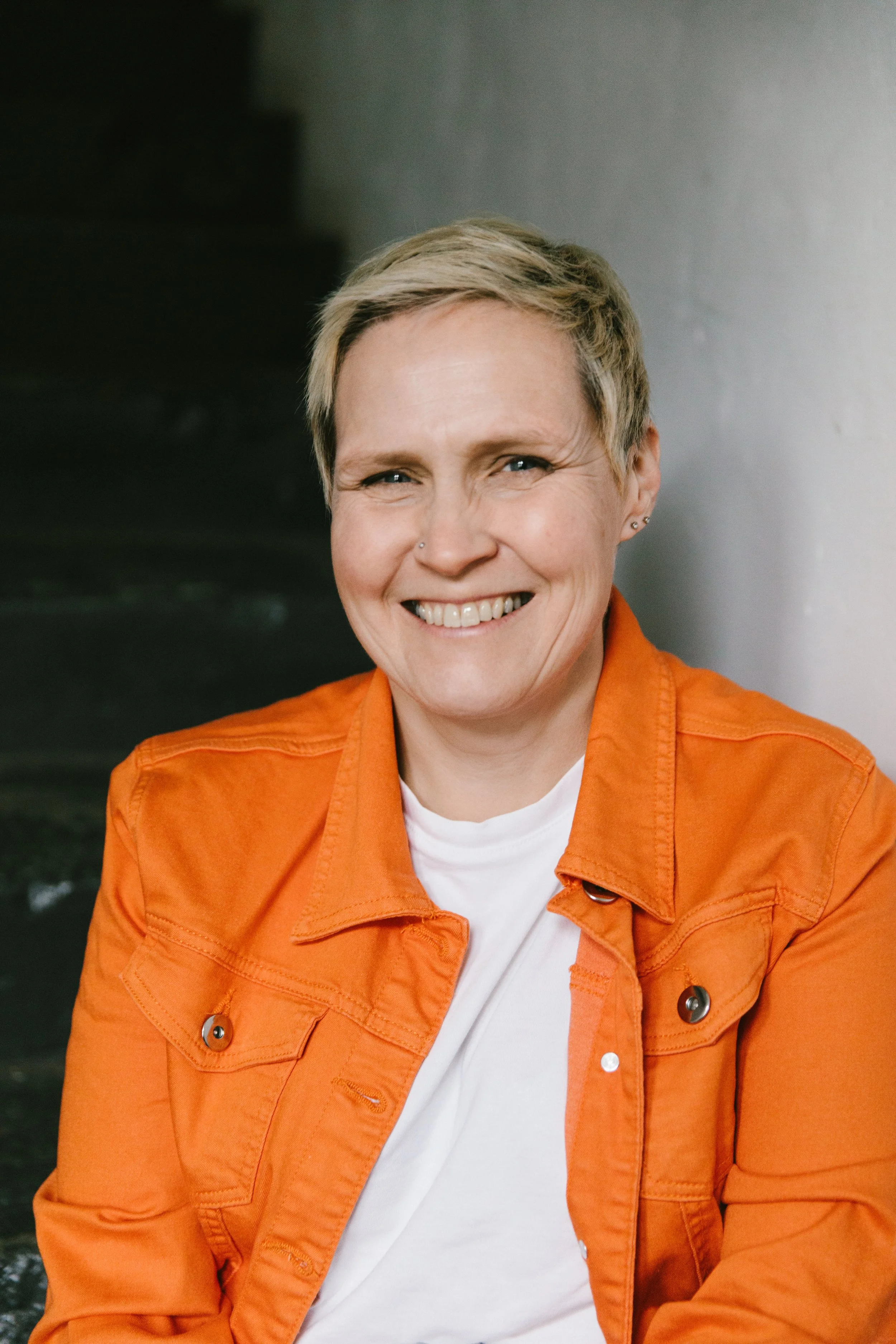
Find Sawsan online:
LinkedIn — https://www.linkedin.com/in/sawsan-khuri
Collaborative Capacities — https://collaborativecapacities.com

Credits:
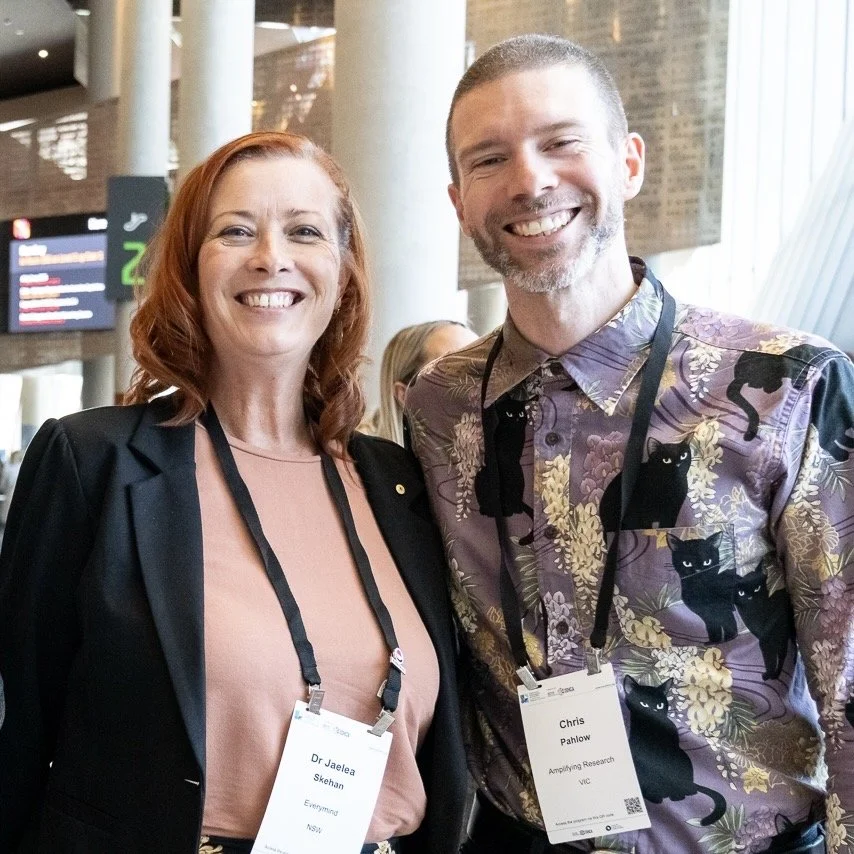
Host & Producer: Chris Pahlow
Edited by: Laura Carolina Corrigan
Music by: La Boucle and Blue Steel, courtesy of Epidemic Sound
- Public engagement
- Career development
- Knowledge mobilisation
- Team alignment
- Stakeholder/audience mapping
- Storytelling
- Leadership
- Strategic comms
- Community engagement
- Collaborating with professional staff
- Talks and presentations
- Making your work relatable
- Co-design
- Communicating in different formats/mediums
- Interdisciplinary collaboration
- Strategy
- Impact planning
- Behaviour change
- Your pitch
- Networking
Practical tips:
Look for the system, not just the personality:
When the same kinds of conflicts keep showing up across different people, the problem probably isn't the individuals. It might be unclear decision-making processes, competitive structures a PI has set up, or unexamined hierarchies. Recognising systemic patterns changes how you respond — instead of trying to fix a "difficult person," you can redesign the conditions that keep producing the friction.
"If you see disputes between, on the one hand, very passive people and on the other hand very active people and a variety of different styles, you begin to wonder what's eliciting this." — Howard Gadlin
Ask what's underneath the position:
When someone says "I want first authorship," that's their position — but it's not the whole story. Underneath it might be a need for recognition, a looming tenure review, or a feeling that their contribution has been overlooked. Getting to those underlying interests opens up solutions that the original position made invisible.
"Although some people will never budge beyond the articulation of their interest, usually when questioned about why is this particular position so important for you, what do you hope to achieve, are there other ways in which you can achieve it — you can get them to gradually reveal, sometimes to themselves, what their underlying interest is." — Howard Gadlin
Don't jump in with solutions — ask more questions:
When someone brings you a problem, resist the urge to fix it. Their first framing is often a test — they're gauging whether it's safe to reveal the real issue. If you move too quickly to solutions, you miss what's actually going on and you undermine their autonomy. Howard calls this "hyperactive listening" — staying curious longer than feels comfortable.
"Most of the time when people come to you with a problem, their initial framing of the problem is a way of testing to see how you might respond. So if you move too quickly to tell them what to do, you haven't yet heard what the deeper problem is." — Howard Gadlin
Agree on how you'll handle conflict before you're in one:
The best time to decide how your team will manage disagreements is when everyone's still getting along. Build it into your collaboration agreement: How will decisions be made? What happens when someone disagrees? Who do you go to if you can't resolve it yourselves? And revisit those agreements regularly — Howard says he's never seen a collaboration that didn't need to adjust its ground rules within the first year.
"The only people more foolish than people falling in love are people starting a collaboration. They think just the passion of this shared interest is going to carry them through. It doesn't work that way." — Howard Gadlin
Share the leadership function:
Leadership doesn't have to belong to one person. The intellectual leader of a team — the person driving the science — may not be the person who's attuned to interpersonal dynamics. Letting someone else serve as the socio-emotional leader means more dimensions of what's happening in the team actually get surfaced and addressed.
"The more a leader is able to allow others to share the leadership function, the more dimensions of what's going on in the team can be identified and addressed." — Howard Gadlin
Know that help exists — and that it's confidential:
If you're dealing with a conflict and don't know where to turn, check whether your institution has an ombuds office. It's completely confidential, independent of any formal disciplinary process, and you're not committed to any course of action just by walking through the door. Increasingly, research teams are also embedding facilitation roles — people whose job is to pay attention to team dynamics, not just the science.
"One of the interesting things that's happening in the world of collaborative research is the inclusion in the research team of a person whose function is to help facilitate the collaboration. They're not technically an ombuds, but they're people who usually have skills at communication and conflict resolution and they pay attention — their job is not in the lab. It's paying attention to the dynamics among people in the team." — Howard Gadlin