
Amplifying Research episodes [[bpstrwcotob]]
Popular topics:
- Public engagement
- Career development
- Knowledge mobilisation
- Stakeholder/audience mapping
- Storytelling
- Team alignment
- Strategic comms
- Community engagement
- Leadership
- Collaborating with professional staff
- Talks and presentations
- Making your work relatable
- Co-design
- Communicating in different formats/mediums
- Interdisciplinary collaboration
- Strategy
- Impact planning
- Behaviour change
- Your pitch
- Networking

49: Collaborative Research – Managing Conflict: Howard Gadlin on what decades of mediating scientific disputes taught him about productive conflict
Every collaboration starts with excitement — shared interests, complementary expertise, a vision of what you could build together. But things rarely stay perfect forever. Personalities might clash. Contributions might not get recognised. Commitments might not be kept. Decisions on authorship might be delayed — or even reneged on. Howard Gadlin spent decades as an ombudsman at the NIH, UCLA, and Harvard, sitting across the table from research teams in exactly these moments — and what he learned is that the disputes we're most tempted to avoid are often the ones that matter most.
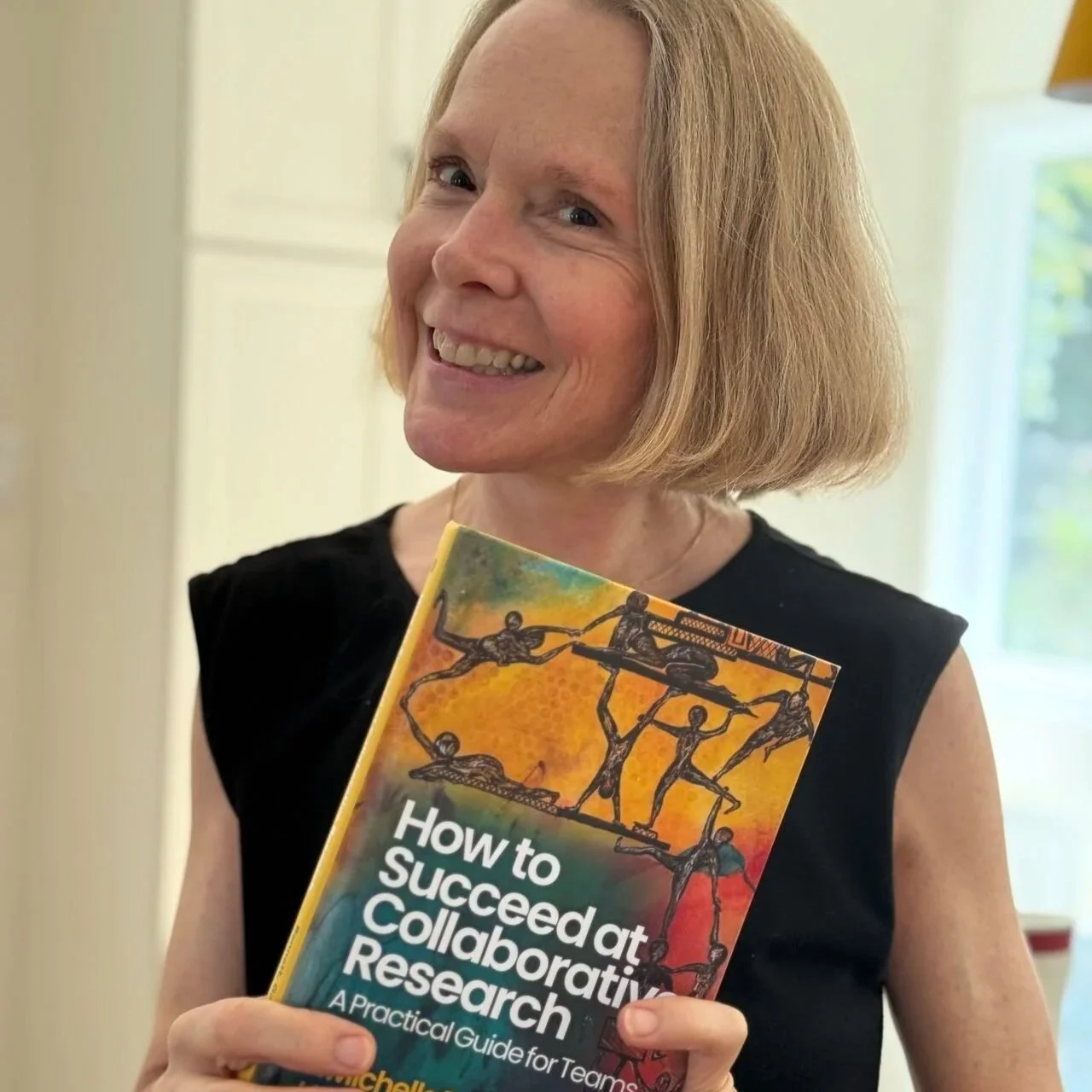
48. Collaborative Research – Mindset: Dr L. Michelle Bennett on building the collaborative mindset researchers are almost never taught
Most research teams believe they collaborate well — until the first real disagreement, the first authorship dispute, or the first time someone bites their tongue instead of speaking up. Researchers are rigorously trained in methodology but given almost no preparation for the relational skills that hold a collaboration together — and when tension rises, most default to a self-protective mode that quietly erodes trust, psychological safety, and ultimately the science itself. In this episode, Dr L. Michelle Bennett unpacks what a genuinely collaborative mindset looks like in practice, and how something as concrete as a collaboration agreement can give your team the structure it needs to do its best work.
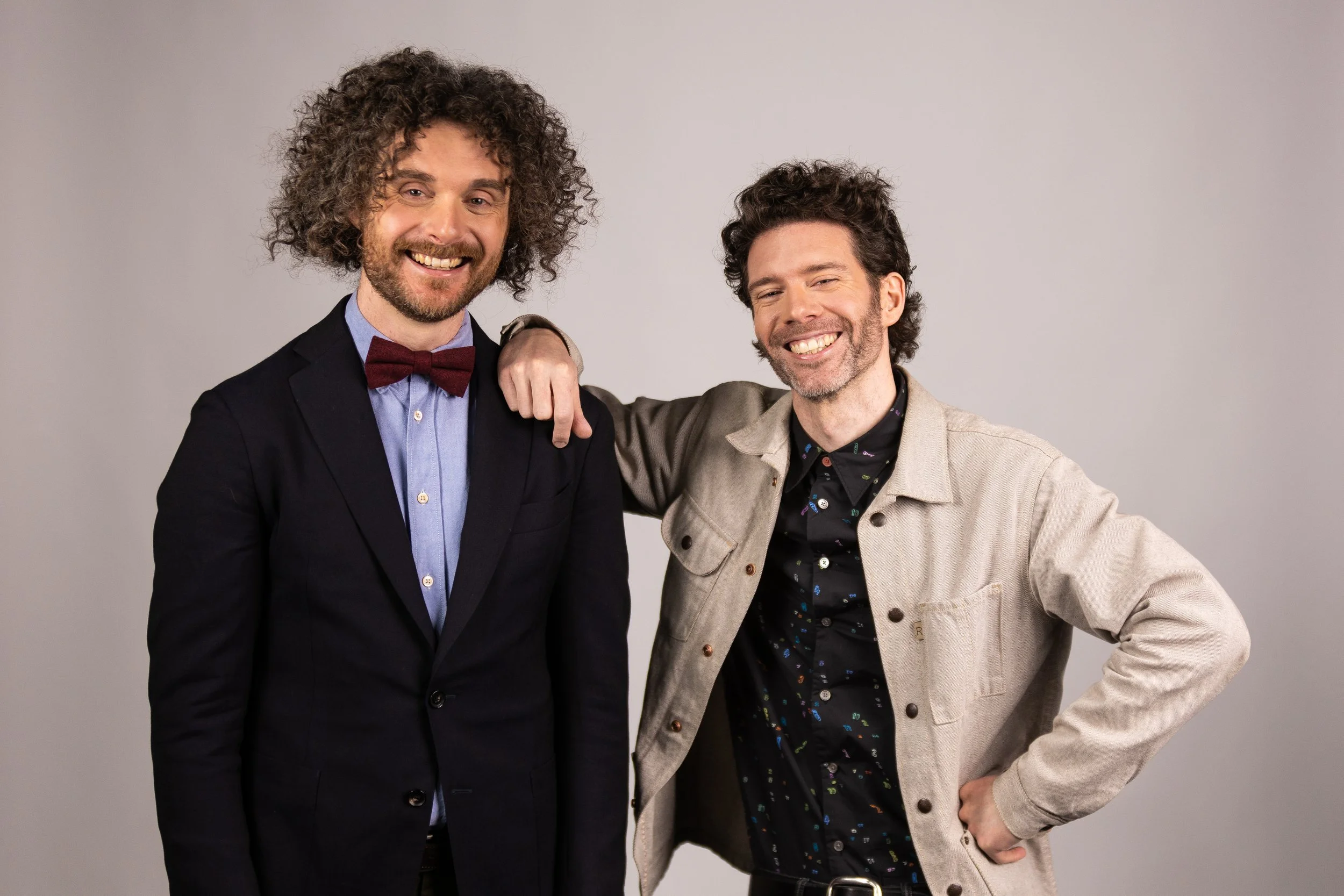
47. LinkedIn for Impact: Prof Phillip Dawson on making the platform work for you (even if you hate social media)
You probably already know that being on LinkedIn is a good idea for your work, your research, and your career. But how do you make sure it's actually making a positive difference, rather than just becoming "doom scrolling at work"? Returning guest Prof Phillip Dawson joins us to walk through a seven-step framework for making LinkedIn manageable, effective, and maybe even (dare we say it) not terrible. From setting goals and capturing ideas, through writing posts and showing up in conversations, to reflecting on what's actually working, we cover the full process for turning LinkedIn from hellscape to... well, if not heaven, then at least something you can actually live with 😅
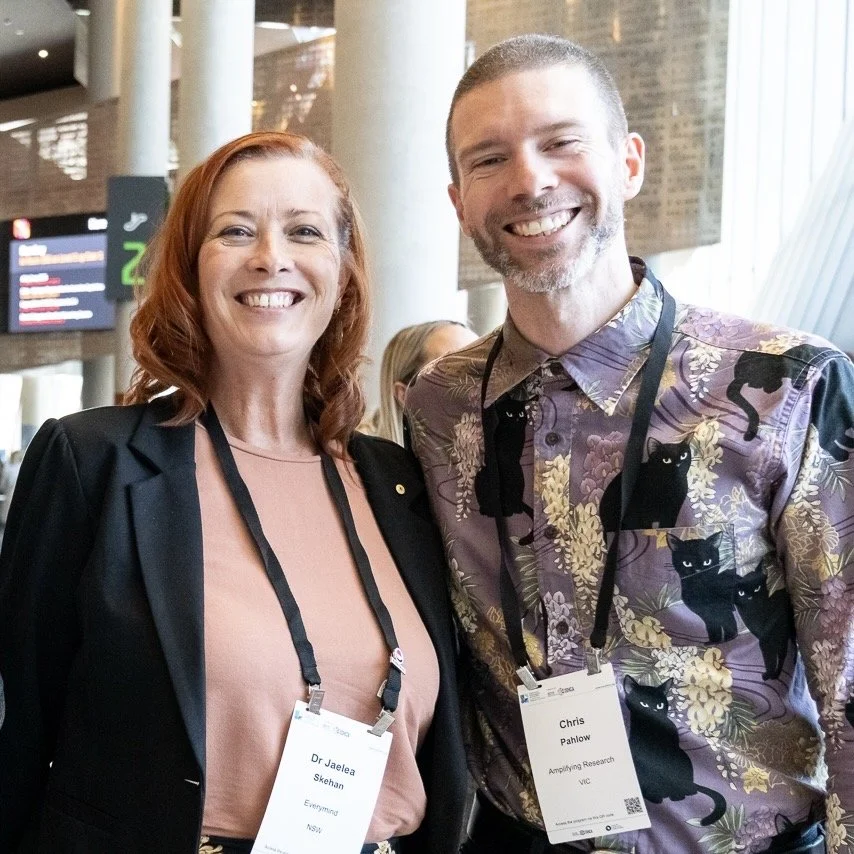
46. Research Translation: Dr Jaelea Skehan on why proving something works is just the start
You've done the research. You've run the trial. You've published the paper. So why isn't anything changing? Dr Jaelea Skehan has spent more than 25 years translating research into real-world programs in mental health and suicide prevention — and she's seen firsthand why so many evidence-based innovations never make it past the journal. In this episode, she makes a compelling case that proving something works is just the beginning, and shares hard-won lessons from programs spanning 18 months to 25 years on what it actually takes to get research into practice — and keep it there.
Popular topics:
- Public engagement
- Career development
- Knowledge mobilisation
- Stakeholder/audience mapping
- Storytelling
- Team alignment
- Strategic comms
- Community engagement
- Leadership
- Collaborating with professional staff
- Talks and presentations
- Making your work relatable
- Co-design
- Communicating in different formats/mediums
- Interdisciplinary collaboration
- Strategy
- Impact planning
- Behaviour change
- Your pitch
- Networking